


Health Ministry Survey Flags Alarming Rise In Obesity And Diabetes Among Indian Adults
The Union Health Ministry's NFHS-6 report reveals a steep increase in lifestyle-related diseases, including obesity and diabetes, across India.

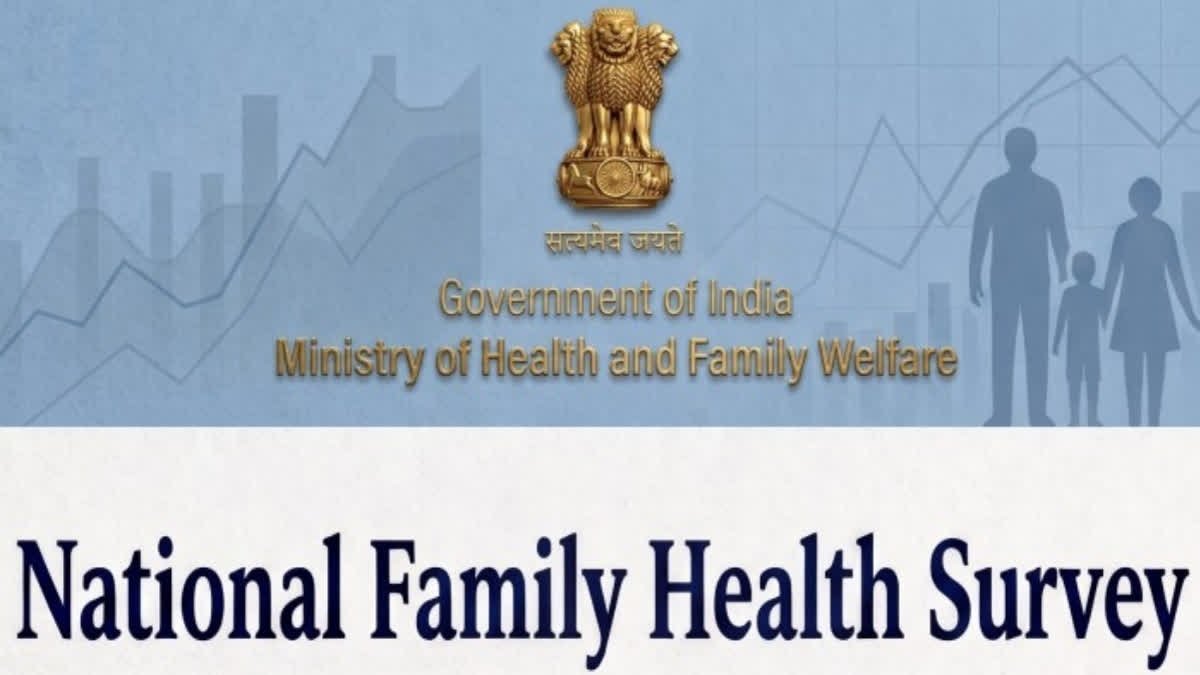
New Delhi: India is experiencing a rapid health transition as lifestyle-related diseases sharply escalate. The latest National Family Health Survey (NFHS-6) released by the Union Health Ministry reveals a significant surge in obesity and elevated blood sugar levels among adults nationwide, indicating a burgeoning burden of non-communicable diseases (NCDs).
The comprehensive pan-India survey, executed by the International Institute for Population Sciences, shows that 30.7% of women aged 15–49 are now overweight or obese, marking a steep rise from the 24% recorded during the previous NFHS-5 cycle. A similar upward trajectory was observed among men in the same age bracket, with obesity figures climbing from 22.9% to 27.3%.
The data underscores a severe urban-rural divide; urban areas reported that an alarming 42.8% of women and 36.3% of men are currently battling weight issues. Parallelly, the country's diabetic and pre-diabetic risk profiles have worsened. The proportion of men aged 15 and above reporting high or very high blood sugar levels—or utilizing corrective daily medication—expanded from 15.6% to 20.9%. For women, the prevalence rose from 13.5% to 17.8% over the same five-year period.
State-wise analysis highlighted severe regional clusters, with Puducherry, Delhi, Punjab, and Andhra Pradesh reporting some of the highest metabolic health risks. Health Ministry officials noted that while India has made historic, encouraging gains in reducing child undernutrition—such as stunting falling to 29.3%—the nation now faces a complex "double burden" of disease.
The rapid shift toward processed diets, sedentary professional routines, and inadequate physical activity is actively driving chronic cardiovascular and metabolic threats. Public health experts emphasize that these findings must serve as an urgent catalyst for structural policy revisions, localized behavioral change campaigns, and expanded preventive healthcare tracking at the primary care level.
What's Your Reaction?
 Like
0
Like
0
 Dislike
0
Dislike
0
 Love
0
Love
0
 Funny
0
Funny
0
 Wow
0
Wow
0
 Sad
0
Sad
0
 Angry
0
Angry
0















Comments (0)