


UP Government Overhauls Outsourcing Norms: Fixed Work Hours, Paid Leaves, and Guaranteed Pay
UP Govt introduces new rules for outsourced staff: mandatory weekly off, 8-hour shifts, and minimum wages via Outsource Service Corporation.
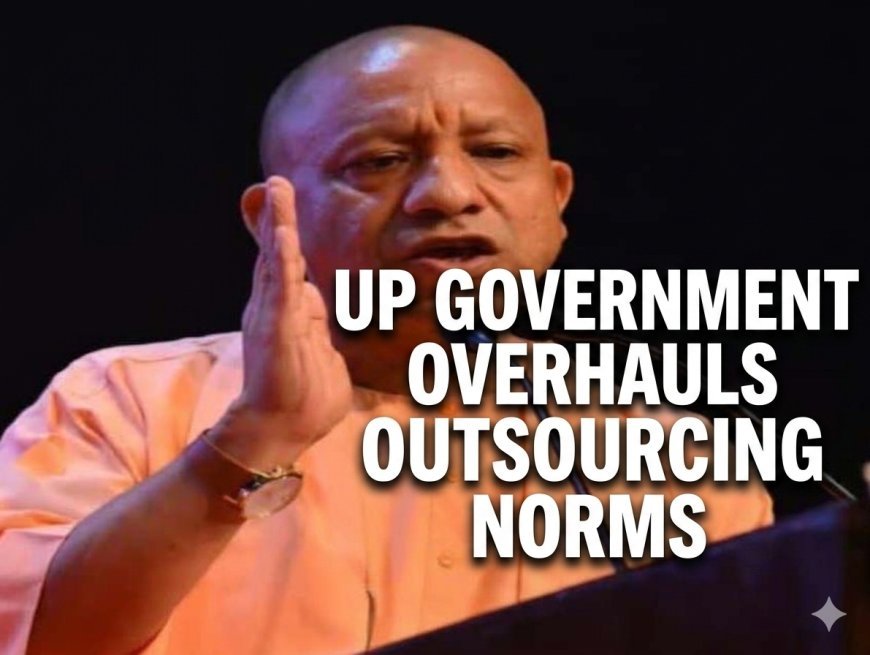
Lucknow : In a landmark move on May Day, the Uttar Pradesh government announced a comprehensive set of new regulations aimed at protecting the rights of outsourced and part-time employees. Minister Asim Arun, speaking at the Indira Gandhi Pratishthan, revealed that these reforms, effective from April 1, 2026, under the guidance of CM Yogi Adityanath, are designed to eliminate exploitation and ensure social security for lakhs of workers.
Mandatory Weekly Off and Fixed Shifts
- Under the new labor framework, it is now illegal to make an outsourced or contract worker work for seven consecutive days. The key highlights include:
- Mandatory Rest: One paid weekly off is compulsory after six days of work.
- Shift Limits: Daily work hours are strictly capped between 8 to 9 hours.
- Overtime Compensation: Any work performed beyond the stipulated hours must be compensated with overtime pay.
Revamped Leave Policy
To promote a healthy work-life balance, the government has introduced a structured leave hierarchy for contract staff:
- Casual Leave: 10 days per year.
- Sick Leave: 15 days of medical leave upon completion of six months of service.
- Earned Leave: 15 days of annual earned leave, which can be carried forward.
- Maternity Benefits: Strict enforcement of maternity leave for female employees has been mandated.
Transparent Wage Structure via 'Outsource Service Corporation'
- The establishment of the 'Outsource Service Corporation' aims to remove middle-men and ensure direct benefits. The new financial provisions include:
- Basic Pay Rule: The basic salary must constitute at least 50% of the total CTC, leading to higher PF and Gratuity contributions.
- Timely Payment: Salaries must be credited directly to bank accounts between the 1st and 5th of every month.
- Minimum Wage Hike: Unskilled workers will now receive over ₹11,000, while skilled workers are guaranteed more than ₹13,500.
Eliminating the Middleman
Minister Asim Arun emphasized that the government is committed to the principle of "Equal Pay for Equal Work." By formalizing these rules through the new labor codes, the state aims to provide legal protection to the backbone of the administrative workforce. "Our goal is Antyodaya—serving the last person in the queue. These reforms ensure dignity and security for those who keep our services running," the Minister stated.
What's Your Reaction?
 Like
0
Like
0
 Dislike
0
Dislike
0
 Love
0
Love
0
 Funny
0
Funny
0
 Wow
0
Wow
0
 Sad
0
Sad
0
 Angry
0
Angry
0

Journalist














Comments (0)