


SRN Hospital in Prayagraj Heightens Vigil Amid Rising H1N1 Cases Across India
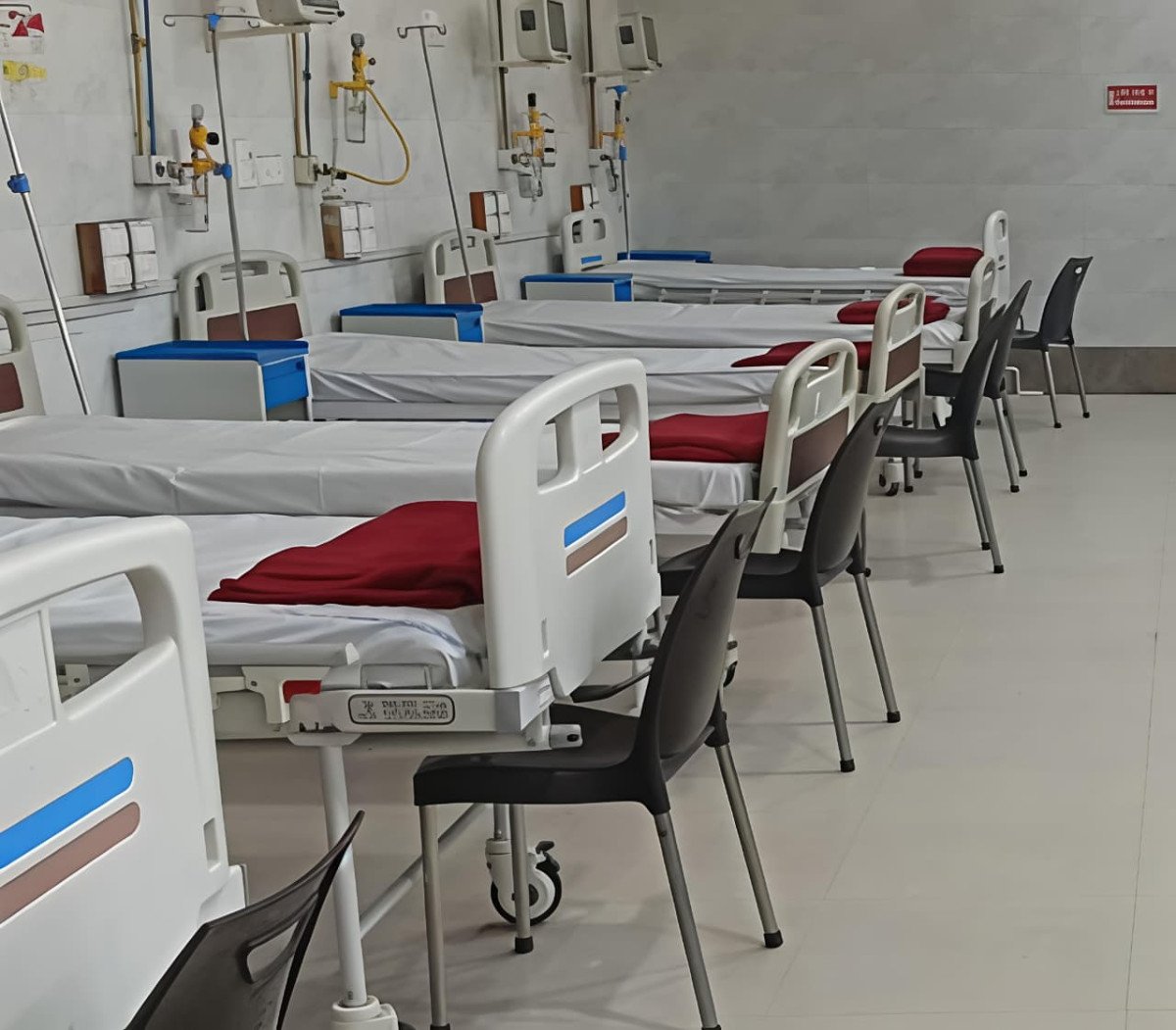
Prayagraj : In response to a sharp seasonal surge in Influenza A (H1N1) cases—commonly known as swine flu—across multiple states, Swaroop Rani Nehru (SRN) Hospital associated with Motilal Nehru Medical College has activated heightened surveillance and critical care readiness.
The alert follows advisories from the Union Ministry of Health directing state health departments to monitor Influenza Like Illness (ILI) and Severe Acute Respiratory Infection (SARI) cases, while keeping emergency infrastructures fully prepared. Experts at the Indian Council of Medical Research (ICMR) emphasized that the spike aligns with known seasonal trends of the H1N1 pdm09 strain, confirming no new mutant variants have emerged.
National H1N1 Case Surge (As of August 2026)
Delhi: Reported 2,308 confirmed cases through August 26.
Karnataka: Documented 4,212 laboratory-confirmed influenza cases across 32 districts by August 22.
Maharashtra: Recorded 1,109 cases state-wide by August 21, with Mumbai (488) and Pune (241) accounting for nearly 65% of infections.
Uttarakhand: Reported 49 confirmed cases and 5 deaths in Dehradun during August.
Hospital Preparedness and Critical Care Protocols
SRN Hospital has instituted direct inter-departmental coordination among Medicine, Microbiology, Pediatrics, and Anesthesiology to streamline screening and patient management:
Triage & Screening: Early identification of patients presenting with high fever, sore throat, cough, and shortness of breath.
Critical Infrastructure: Oxygen-supported beds, continuous monitoring systems, ventilators, and ICU units are designated for high-risk respiratory cases.
Infection Control: Strict enforcement of N95 mask protocols, hand hygiene, and personal protective equipment (PPE) for healthcare workers, along with inventory checks for key antiviral drugs like Oseltamivir.
Expert Guidelines and Medical Advice
Prof. Dr. A.K. Verma, Principal of Motilal Nehru Medical College, and Prof. Dr. Neelam Singh, Chief Superintendent of SRN Hospital, stated that while there is no cause for panic, immediate medical evaluation is essential for high-risk groups.
Prof. Dr. Manoj Mathur, Head of the Medicine Department, noted that elderly individuals, pregnant women, young children, and patients with co-morbidities (diabetes, kidney, heart, or lung diseases) face higher vulnerability. Warning signs requiring immediate hospitalization include sudden drops in blood oxygen levels, chest pain, severe breathlessness, extreme weakness, or confusion.
(Zainul Abdin)
What's Your Reaction?
 Like
0
Like
0
 Dislike
0
Dislike
0
 Love
0
Love
0
 Funny
0
Funny
0
 Wow
0
Wow
0
 Sad
0
Sad
0
 Angry
0
Angry
0

Journalist





Comments (0)