


HDFC Bank Hikes Internal Lending Rates Risking Higher Retail EMIs
HDFC Bank increases its marginal cost based lending rates by ten basis points making consumer retail loans costlier for borrowers.

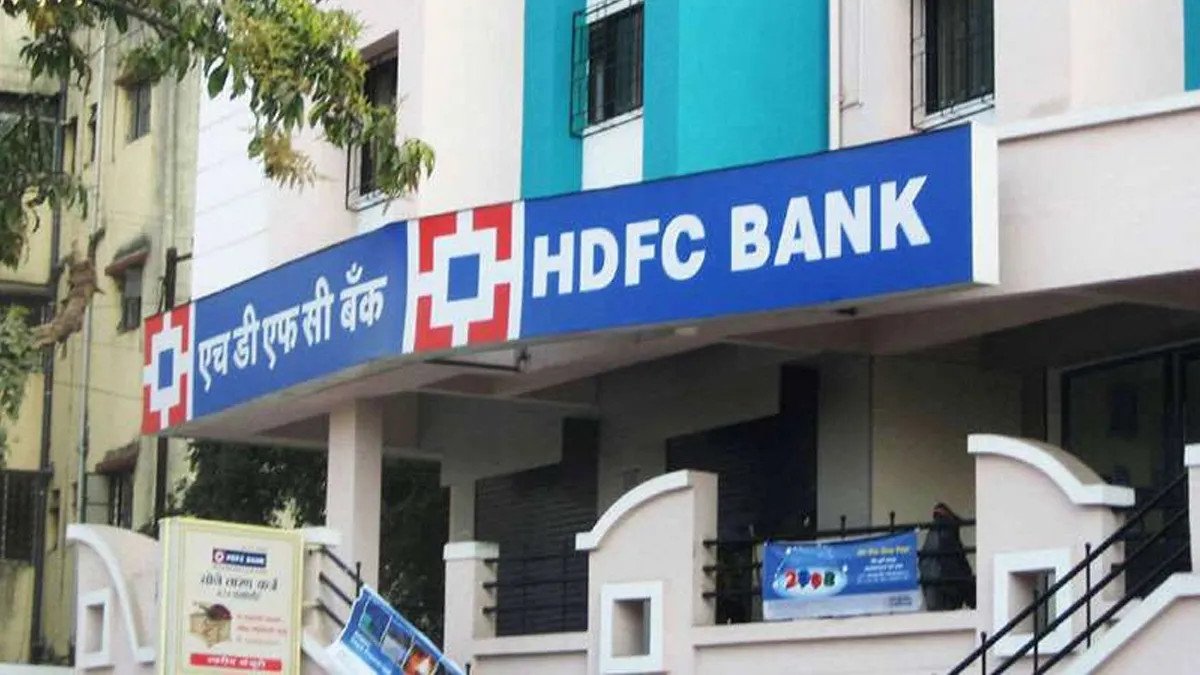
Mumbai: In a sudden development for retail borrowers, HDFC Bank has increased its Marginal Cost of Funds-based Lending Rate (MCLR) by up to 10 basis points across multiple tenors.
This internal cost revision comes as a major surprise to consumers, occurring just days after the Reserve Bank of India (RBI) chose to keep the benchmark repo rate completely unchanged at 5.25% during its June monetary policy review.
The private sector banking giant revised its lending rate structure upward with effect from June 8, 2026. According to updated data on the financial institution's portal, the critical one-year MCLR—which functions as the primary benchmark for pricing majority consumer products like home, personal, and auto loans—has been raised by 5 basis points to reach 8.40%. Concurrently, the overnight, three-month, and six-month tenors witnessed a uniform 5 basis point increase, while the two-year tenor faced the sharpest maximum hike of 10 basis points, jumping to 8.55%.
This diverging movement implies that even without an explicit central bank rate hike, existing floating-rate borrowers tied to MCLR legacy systems will face elevated monthly installments or extended loan tenures on their next reset dates. Financial experts note that while repo-linked external benchmark loans remain insulated for now, banks are facing internal liquidity pressures. Rising domestic inflation projections, global energy market volatility due to West Asia conflicts, and stabilizing deposit inflows have driven up the overall cost of sourcing funds for large commercial lenders.
Consequently, individuals planning to secure fresh housing or vehicle financing lines will encounter higher interest brackets. Financial analysts suggest that retail consumers facing recurring benchmark upward revisions should systematically audit their amortization schedules. Borrowers stuck on traditional, internal bank benchmarks might benefit heavily from evaluating refinancing options to transfer their outstanding liabilities directly onto repo-linked external lending frameworks.
What's Your Reaction?
 Like
0
Like
0
 Dislike
0
Dislike
0
 Love
0
Love
0
 Funny
0
Funny
0
 Wow
0
Wow
0
 Sad
0
Sad
0
 Angry
0
Angry
0







Comments (0)