















Early Treatment Crucial for Amblyopia: Dr. Parul Singh Highlights 'Lazy Eye' Research
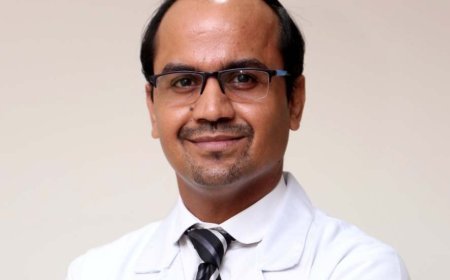
Dr. Parul Singh of GSVM Medical College discusses 'Lazy Eye' research and why early school eye screenings are vital for children.


Understanding the "Lazy Eye" Phenomenon
Amblyopia occurs when the brain favors one eye over the other, typically because one eye provides a blurrier image. According to Dr. Singh, the brain eventually begins to ignore the signals from the weaker eye.
Breakthrough Research at GSVM Medical College
Dr. Parul Singh shared findings from a comprehensive two-year study involving 100 children aged 3 to 12 years. The research focused on children born with congenital vision issues, squinting, or inherent ocular defects—conditions classified under the "Lazy Eye" umbrella.
The Call for School Screenings
Highlighting the importance of preventative care, Dr. Singh advocated for mandatory eye examinations in all schools. Since children may not always realize their vision is impaired in only one eye, routine screenings are essential to catch the condition during the critical "plasticity" phase of brain development.
(Report by Sanjay Shukla)
What's Your Reaction?
 Like
1
Like
1
 Dislike
0
Dislike
0
 Love
0
Love
0
 Funny
0
Funny
0
 Angry
0
Angry
0
 Sad
0
Sad
0
 Wow
0
Wow
0