


Climate Extremes Hit Himachal Five Thousand Crore Apple Economy Lowering Production Forty Percent
Himachal Pradesh's ₹5,000-crore apple economy faces a severe climate shock, with 2026 production projected to plunge by 40 percent.

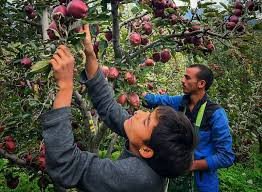
Shimla : Reflecting the intensifying toll of global warming on mountain agriculture, Himachal Pradesh’s vital ₹5,000-crore apple economy is weathering an unprecedented climate crisis. Official figures released by the state horticulture department reveal that erratic weather shifts are projected to slash the state's total apple output by a staggering 40 percent this season.
Data presented by Director of Horticulture Satish Kumar underscores a sharp contraction in yield. In 2025, Himachal Pradesh celebrated a robust output of 6.99 lakh metric tonnes.
However, the 2026 harvest is estimated to plummet by 2.63 lakh metric tonnes, settling at a meager 4.36 lakh metric tonnes—equivalent to a drop from roughly 3.49 crore boxes down to 2.15 crore boxes. This downward spiral threatens the core livelihood of nearly 2.5 lakh families scattered across eight primary apple-producing districts.
Horticulture experts attribute this dramatic crop failure to a combination of missing winter snowfall, insufficient chilling hours, unseasonal spring downpours, and intense hailstorms during the sensitive flowering stage.
The absence of timely frost insulation and naturally regulated water cycles left traditional varieties, including Royal Delicious, highly vulnerable to structural pollination failure. Compounding the situation, average temperatures in key belts like Shimla and Kullu have crawled up by 1 to 1.5 degrees Celsius over recent cycles, effectively pushing the viable temperate fruit line to higher altitudes.
Local orchardists have expressed deep distress as rising input costs for specialized machinery and anti-fungal treatments worsen their financial stress. Facing escalating economic volatility, growers are appealing to the state government to rapidly deploy high-density, low-chilling clone saplings and expand weather-based crop insurance coverage.
With the industry accounting for 49 percent of the state’s fruit cultivation footprint, this massive climate squeeze marks a critical turning point for Himalayan agricultural policy.
What's Your Reaction?
 Like
0
Like
0
 Dislike
0
Dislike
0
 Love
0
Love
0
 Funny
0
Funny
0
 Wow
0
Wow
0
 Sad
0
Sad
0
 Angry
0
Angry
0







Comments (0)