


Delhi Power Bills Set to Rise Following New DERC Surcharge
Delhi consumers face higher electricity bills as DERC approves a significant hike in Power Purchase Adjustment Charges across all discoms.

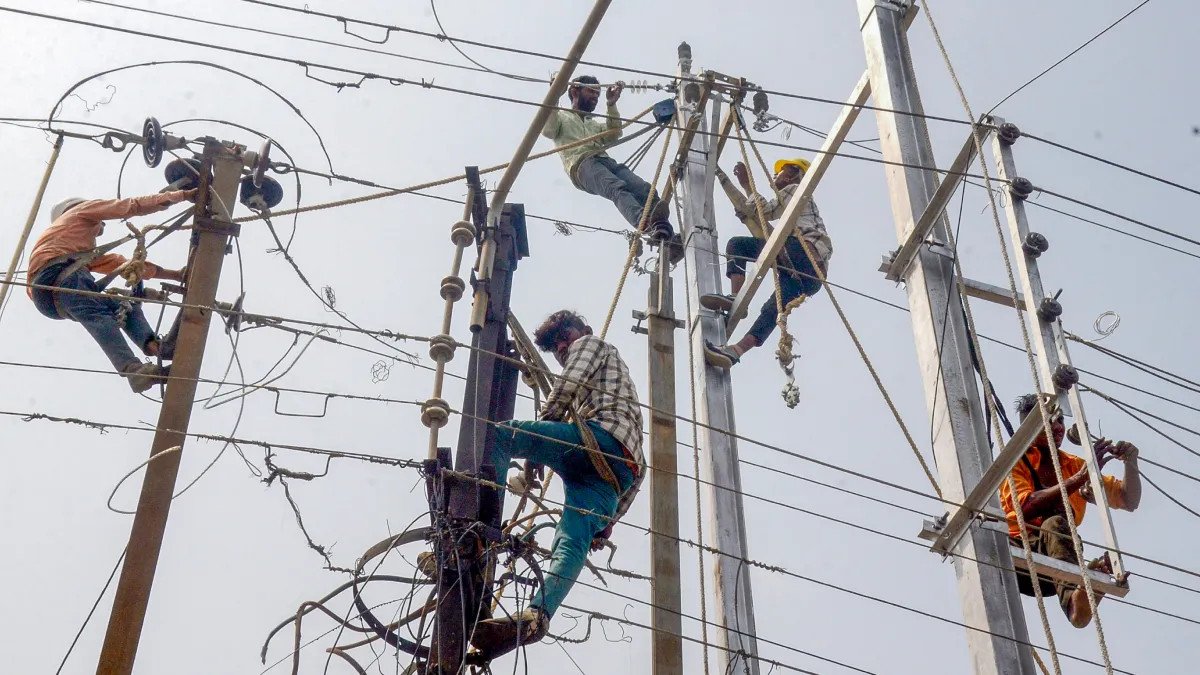
New Delhi: Electricity consumers across the national capital are set to experience a financial pinch as the Delhi Electricity Regulatory Commission (DERC) has approved a significant hike in the Power Purchase Adjustment Charge (PPAC) and Fuel Surcharge.
The regulatory micro-hikes aim to help power distribution companies (discoms) recover escalating generation, coal, and global procurement costs. The revised rates took effect on June 10 and will actively manifest in consumers' billing cycles starting this July. The adjustment creates a varied, discom-wise tariff impact based on localized power procurement expenses.
Under the new DERC order, BSES Rajdhani Power Limited (BRPL)—which caters to South, West, and Central Delhi—sees its permissible surcharge capability revised to a peak cap of 17.94%. Meanwhile, BSES Yamuna Power Limited (BYPL), serving the Trans-Yamuna pocket, has received clearance for a 17.43% surcharge limit.
This adjustment translates to an estimated monthly increase of ₹102 to ₹170 for average domestic households using around 600 units with a 2 kW load. Tata Power Delhi Distribution Limited (TPDDL), fueling North and Outer Delhi, is capped at a 16% surcharge. Importantly, the standard telescopic baseline energy slabs—ranging from ₹3.00 per unit up to 200 units, to ₹8.00 per unit for consumption crossing the 800-unit threshold—remain structurally unchanged.
Furthermore, the Delhi Government's heavily utilized domestic subsidy mechanism stands protected. Citizens utilizing fewer than 200 units will continue to receive zero-liability bills, while those consuming between 201 and 400 units will retain their 50% discount. The primary weight of this hike falls heavily upon high-load consumers, commercial entities, and industrial units that do not qualify for state subsidies. Trade bodies, including the Chamber of Indian Traders (CTI), have raised severe concerns, noting that these adjustments make commercial operations in Delhi roughly 20% to 25% costlier than in neighboring Haryana and Uttar Pradesh, potentially triggering a migration of manufacturing warehouses
What's Your Reaction?
 Like
0
Like
0
 Dislike
0
Dislike
0
 Love
0
Love
0
 Funny
0
Funny
0
 Wow
0
Wow
0
 Sad
0
Sad
0
 Angry
0
Angry
0







Comments (0)