


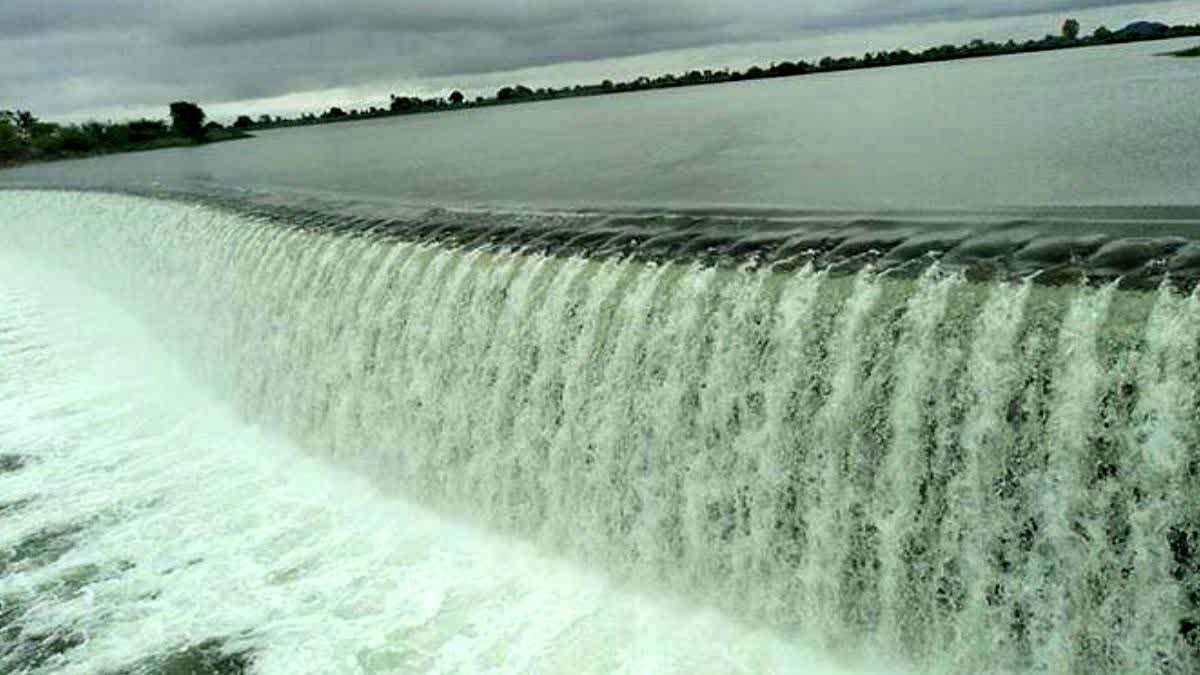
Paricha Dam Jhansi , Now a World Heritage site
Jhansi's historic 140-year-old Parichha Dam on the Betwa River has been awarded the prestigious World Heritage Irrigation Structure (WHIS) status by ICID, boosting Bundelkhand's global tourism profile and eco-heritage status ahead of its October honor in France.
The formal recognition and the WHIS Award-2026 will be presented during the 26th ICID International Congress and the 77th International Executive Council meeting, scheduled to take place in Marseille, France, on October 14. Representatives from the Uttar Pradesh Irrigation and Water Resources Department will attend the global event, where the historical, cultural, and engineering highlights of the dam will be presented before delegates from over 120 countries.
The conceptual roots of the dam date back to 1855, when Captain Strachey first proposed a canal network to mitigate water scarcity in Bundelkhand. Construction commenced in 1881, and the dam was commissioned in 1886. Spanning approximately 1,174 meters in length and standing 16.8 meters high above the riverbed, the rubble-stone masonry weir features 318 steel falling shutters designed for precise water regulation.
Serving as the headworks of the extensive Betwa Canal network, the system covers over 2,600 kilometers of canals and irrigates more than 4.28 lakh hectares across Uttar Pradesh and Madhya Pradesh. Furthermore, the reservoir acts as the primary water source for the 920-MW Parichha Thermal Power Project. Despite being built nearly a century and a half ago, the structure continues to serve as an indispensable lifeline for agriculture and energy in the region.
The ICID heritage tag is expected to significantly enhance local eco-tourism, wellness, and heritage travel around Jhansi. Known for its scenic waterscapes and monsoon spectacles, the reservoir will now attract international tourists and researchers alike.
To further preserve this infrastructure, the state government plans to modernize the facility under the Ken-Betwa Link Project. Key upgrades will include installing sluice gates for desilting and upgrading manual gates to automated systems, restoring reservoir capacity and easing long-term operational maintenance.
What's Your Reaction?
 Like
0
Like
0
 Dislike
0
Dislike
0
 Love
0
Love
0
 Funny
0
Funny
0
 Wow
0
Wow
0
 Sad
0
Sad
0
 Angry
0
Angry
0

Journalist







Comments (0)