


Why 53% of Himachal’s Youth are Trapped in a Mental Health Crisis
A PGIMER study reveals 53% of Himachal’s teenagers face depression. Discover the impact of social media, academic pressure, and isolation.
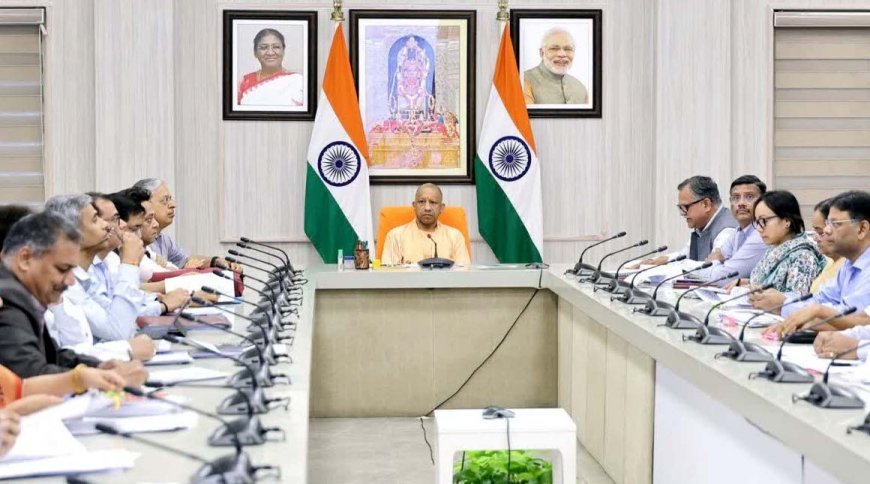
Shimla : In the serene landscapes of Himachal Pradesh, often referred to as 'Devbhoomi' (Land of the Gods), a silent and dark storm is brewing within the minds of its youngest residents. A comprehensive study conducted by experts from PGIMER Chandigarh in collaboration with the National Health Mission (NHM) has sent shockwaves through the state, revealing that over half of the teenage population is struggling with symptoms of depression.
The survey, led by senior professors Dr. Sandeep Grover and Dr. Subho Chakrabarti, analyzed a massive sample size of 11,000 students aged between 13 and 19 across four major districts: Shimla, Mandi, Dharamshala, and Solan. Using standardized psychological questionnaires, the researchers avoided direct queries about sadness, instead focusing on behavioral shifts, sleep patterns, and future outlooks.
The findings are a wake-up call for parents and policymakers alike:
- 53% of adolescents exhibit signs of depression.
- 14% of teenagers are suffering from severe clinical depression.
- 5% of respondents admitted to having suicidal ideation (thoughts of self-harm).
- 14% struggle with anxiety and other behavioral disorders.
The Digital Trap: Filters vs. Reality
The study highlights a disturbing trend: the confusion between "Reels" and "Reality." Take the case of 16-year-old Sanya from Kangra. A once-talented painter, she abandoned her canvases for the dopamine hit of social media likes. Trapped in a cycle of Body Dysmorphia and a desperate need for Digital Validation, Sanya began skipping meals if her edited photos didn't receive enough engagement.
Experts note that teenagers' brains—specifically the prefrontal cortex responsible for decision-making—are not yet fully developed. Consequently, they are more susceptible to the "perfect life" illusions presented by peers online. When their reality doesn't match the filtered world of Instagram or TikTok, a sense of inferiority and worthlessness sets in.
Academic Burnout and the Weight of Expectations
Beyond the digital world, the crushing weight of academic performance remains a primary trigger. The story of Ayan, a 17-year-old JEE aspirant from Mandi, illustrates this "Academic Burnout." Ayan suffered from panic attacks and tremors, eventually writing in his diary: "I am a failure; my father’s money is being wasted."
In competitive environments like Dharamshala and Solan, many students view entrance exams not just as tests, but as the sole measure of their life’s value. This "all-or-nothing" mentality, fueled by societal pressure and the fear of relatives' taunts, is pushing children toward the brink of collapse.
The Loneliness of the Modern Home
The study also points toward a socio-structural shift. The breakdown of joint families and the rise of dual-income households have left many children emotionally isolated. While parents are busy with career demands, children often lack a safe space to vent. In Mandi, one student confessed to turning to substance abuse simply because there was no one at home to talk to after school.
Furthermore, online gaming addiction is exacerbating the crisis. Late-night screen exposure disrupts melatonin levels, leading to irritability, chronic fatigue, and a total withdrawal from physical social circles.
The Path to Recovery: New Disha Kendras
Despite the grim data, there is a silver lining. The Himachal government has established 103 'New Disha' Centers across the state. According to Health Secretary M. Sudha and Dr. Anjali Chauhan, these centers are seeing an increase in "help-seeking behavior," where teenagers are voluntarily coming forward to discuss their mental struggles.
A Guide for Parents: How to Intervene
Experts suggest that the first step to healing is breaking the taboo. Mental health is not "madness"—it is a clinical condition that requires professional intervention.
- Listen, Don’t Lecture: Allow your child to speak without immediate judgment or advice.
- The 30-Minute Rule: Spend at least half an hour daily with your children without any digital distractions.
- Stop the Comparison: Every child has a unique pace. Comparing them to high-achievers only fosters resentment and low self-esteem.
- Watch for Red Flags: Changes in eating habits, social withdrawal, or cryptic social media statuses regarding "goodbyes" should be taken seriously.
As Himachal Pradesh grapples with this "silent epidemic," the message from PGIMER experts is clear: the youth need empathy and professional support, not just better grades.
(etv)
What's Your Reaction?
 Like
0
Like
0
 Dislike
0
Dislike
0
 Love
0
Love
0
 Funny
0
Funny
0
 Wow
0
Wow
0
 Sad
0
Sad
0
 Angry
0
Angry
0

Journalist
















Comments (0)