


Government Announces High Speed Bullet Train from Delhi to Siliguri
Union Railways Minister Ashwini Vaishnaw announced a Delhi-Siliguri bullet train project to reduce travel time to six hours.

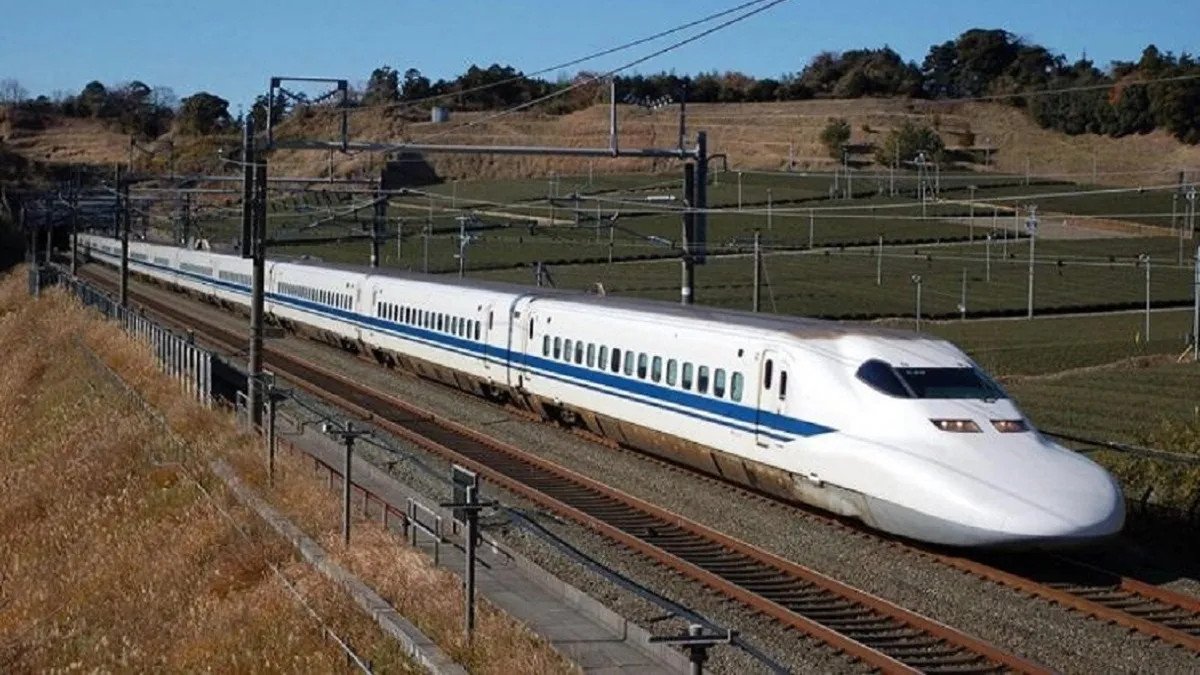
Kolkata:In a monumental boost to India’s transit infrastructure, Union Railways Minister Ashwini Vaishnaw announced a mega high-speed bullet train project connecting New Delhi to Siliguri, the crucial gateway to the Northeast. The ambitious corridor is designed to drastically slash travel time between the national capital and North Bengal to just six hours, a massive reduction from the current twenty-hour journey on superfast trains.
The mega project stands as India’s second major bullet train development after the 508-kilometer Mumbai-Ahmedabad high-speed rail corridor. According to the official blueprint, the expansive network will integrate two major planned high-speed corridors: the Delhi–Varanasi line and the Varanasi–Siliguri extension.
The bullet train is scheduled to cross four major territories—Delhi, Uttar Pradesh, Bihar, and West Bengal—making high-profile stops at key economic hubs including Noida, Agra, Lucknow, Prayagraj, Varanasi, and Patna before terminating at Siliguri.
The formal announcement was made during Vaishnaw’s high-level bilateral meeting with newly elected West Bengal Chief Minister Suvendu Adhikari to fast-track long-pending railway infrastructure across the state. The Ministry of Railways has significantly scaled up West Bengal’s railway development budgetary allocation to ₹14,205 crore, aiming to structurally clear a backlist of stalled logistics projects valued at over ₹1 lakh crore.
Chief Minister Adhikari pledged aggressive administrative cooperation from the state government, directing district authorities to establish strict, expedited timelines for land acquisition to avoid execution bottlenecks. While sector experts acknowledge that constructing a sensitive high-speed rail track through the heavily congested, landslide-prone "Chicken’s Neck" corridor presents unique engineering and ecological challenges, the mega corridor is expected to offer immense geopolitical benefits, boost trade, and completely revolutionize regional tourism upon its projected operational phase.
What's Your Reaction?
 Like
0
Like
0
 Dislike
0
Dislike
0
 Love
0
Love
0
 Funny
0
Funny
0
 Wow
0
Wow
0
 Sad
0
Sad
0
 Angry
0
Angry
0






Comments (0)