


Veto Is a Responsibility, Not a Tool for Narrow Political Self-Interest: India Reaffirms Reforms Stance at UNGA
At the UNGA plenary session, India's Permanent Representative Ambassador P. Harish delivered a resolute speech demanding comprehensive UNSC reforms, calling out selective veto usage and advocating equal representation for the Global South.
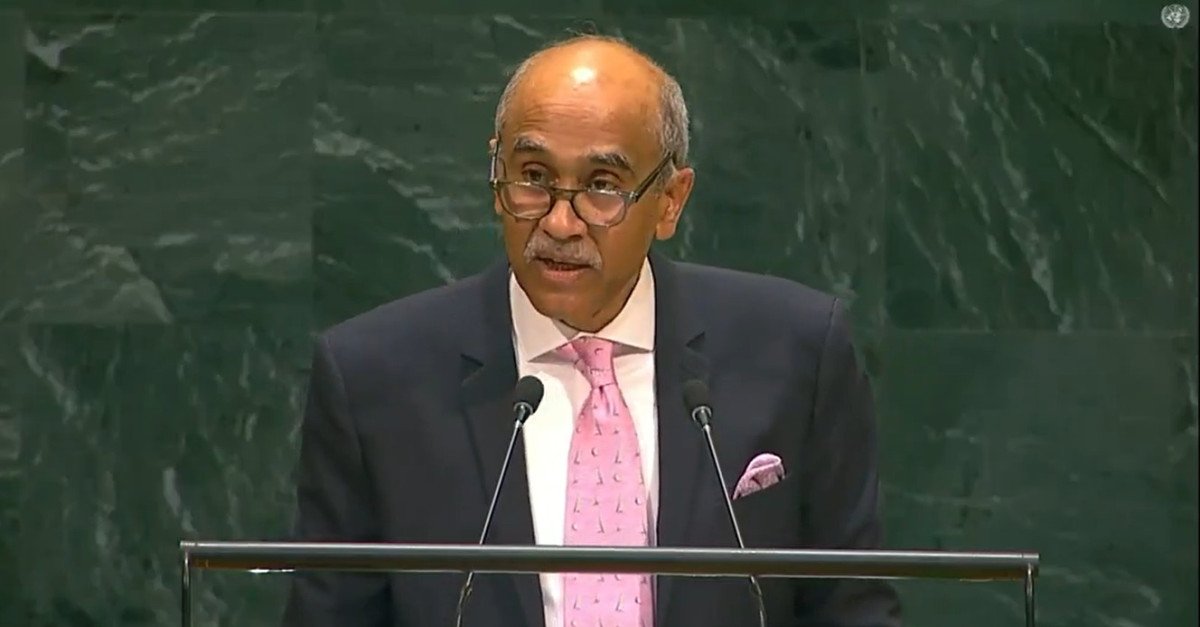
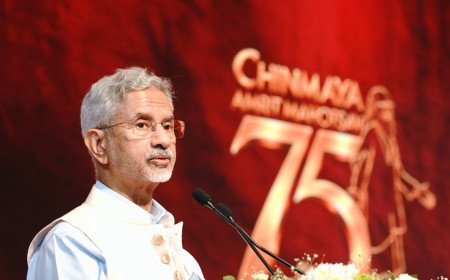
New Delhi : Delivering a powerful statement at the United Nations General Assembly (UNGA) plenary session, India reasserted its strong and uncompromising stance on global governance reform. Addressing the use of the veto power, Ambassador P. Harish, India’s Permanent Representative to the UN, reminded the five permanent members (P5) of the UN Security Council of their critical boundaries and global duties, firmly declaring that the veto is a heavy responsibility rather than a mechanism to further narrow geopolitical self-interests.
Ambassador Harish shared a video clip of his statement on 'X', highlighting a stark asymmetry in veto utilization over recent decades. He pointed out that while two of the P5 nations have refrained from casting a single veto for over three and a half decades, the vast majority of vetoes and veto threats that disrupt international peace decisions originate from the remaining three members. Furthermore, India drew attention to unwritten consensus rules that effectively function as "hidden vetoes," frequently paralyzing sanction committees and stalling crucial global decisions.
Rejecting partial fixes, the Indian diplomat underscored that piecemeal attempts at reforming the UN Security Council would remain entirely futile. He called for a holistic overhaul addressing all five core pillars simultaneously: categories of membership, the veto question, regional representation, the size of an expanded council, and its operational working methods.
This declaration reinforces India's long-standing campaign for a permanent seat at the high table of global diplomacy. As a leading voice advocating for the Global South, India maintains that any reformed UN Security Council must grant equitable representation to developing nations. India firmly opposes creating a "second-class" tier of permanent members stripped of veto rights, as it fails to mirror contemporary geopolitical realities.
Backed by its robust economic trajectory, vast population, and historic contributions to UN peacekeeping operations, India continues to work closely alongside the G4 alliance (India, Brazil, Germany, Japan) and the African Union to secure a fully equal permanent membership in a restructured Security Council.
(Sashwat Tiwari)
What's Your Reaction?
 Like
0
 Dislike
0
 Love
0
 Funny
0
 Wow
0
 Sad
0
 Angry
0

Journalist

Comments (0)